



.jpg)
Introduction
When we think of international art logistics, it’s easy to imagine priceless museum artifacts traveling in highly secured, climate-controlled convoys. However, the modern global art market is much more dynamic. Every day, local galleries, independent artists, and online collectors are shipping contemporary paintings, limited-edition prints, and unique sculptures across borders. They demand a specialized logistics approach that goes beyond standard parcel delivery. The goal is to find the good balance: ensuring the artwork arrives in pristine condition while keeping cross-border logistics efficient and manageable.
The Cross-Border Challenge for Visual Art 
Shipping art internationally bridges the gap between everyday e-commerce and highly specialized freight. When an artwork is shipped from a studio to a destination on the other side of the world, it undergoes numerous transitions, changes in air pressure, and various physical forces. Successfully managing this journey requires a blend of proper packaging, clear documentation, and a reliable global network.
Key Pillars of International Visual Art Shipping
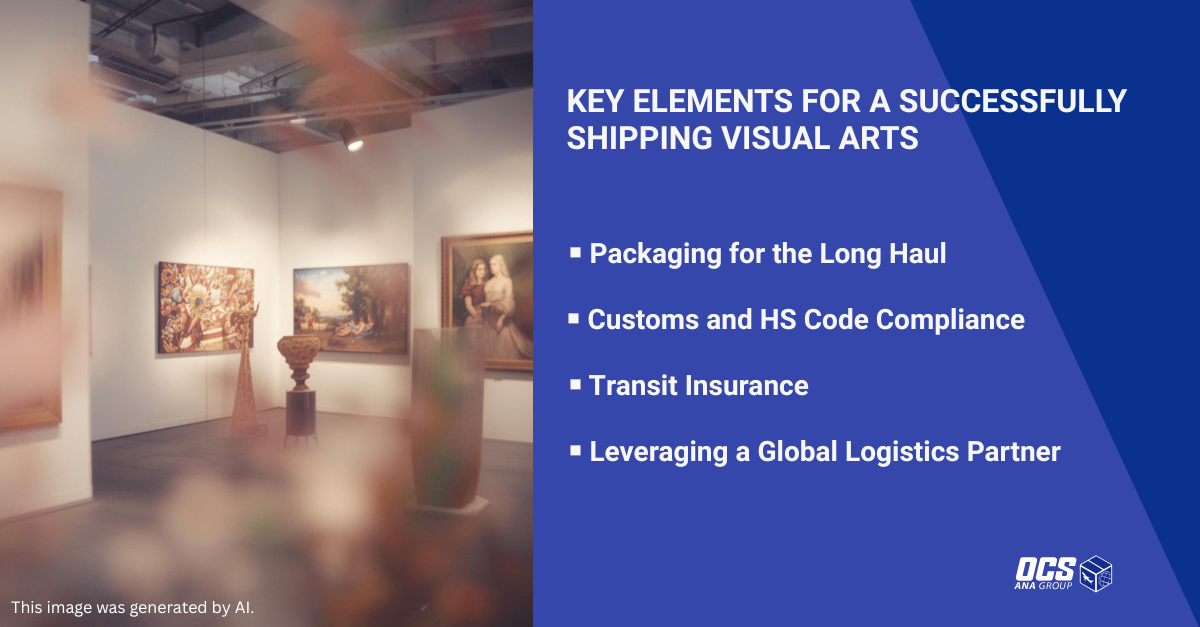
- Packaging for the Long Haul
Standard cardboard boxes are rarely sufficient for international transit, but museum-grade wooden crates aren't always necessary for every piece. The packaging strategy must match the medium:
- Canvas and Framed Art: These require either light, custom-built wooden crates or heavy-duty, reinforced corrugated boxes. Corners must be protected, and the piece should be wrapped in acid-free materials and bubble wrap to prevent friction and moisture damage.
- Ceramics and Sculptures: For those three dimensional artworks, consider "double-boxing" (suspending a smaller box within a larger one) using ample shock-absorbing materials like molded foam to neutralize vibrations during flights or truck transit.
- Prints and Posters: High-quality, crush-resistant mailing tubes are a safe and cost-effective method for unframed works.
- Customs and HS Codes
Perhaps the biggest hurdle in cross-border shipping is international customs. Artworks are cultural goods, and ensuring a smooth border crossing starts with accurate documentation. Your commercial invoice must clearly describe the item (e.g., "Original acrylic painting on canvas"). More importantly, correctly identifying the Harmonized System (HS) code for the artwork can prevent customs delays.
- Meaningful Transit Insurance
When a valuable or emotional piece of art crosses oceans, comprehensive risk management is essential. Always declare the accurate commercial value of the artwork and opt for full transit insurance. The coverage should protect the shipment from the moment it leaves the gallery until it reaches the buyer's hands.
- Global Networks
International shipping involves multimodal transport like trucks to airports, international flights, and last-mile delivery agents. Minimizing the risk during these handoffs requires a logistics partner with a tightly integrated global network.
Conclusion
Expanding a gallery's reach or adding an international piece to a personal collection shouldn't be limited by logistics anxiety. By combining the robust infrastructure of global shipping with the tailored care of art handling, modern logistics providers can help artists and collectors confidently share and acquire creativity across the globe.

At OCS, we understand that every artwork is unique and deserves specialized care, whether it’s a contemporary canvas or a sculpture. Our integrated global network and expertise in cross-border customs ensure your creative assets travel safely and seamlessly. Contact our logistics experts today for a customized shipping consultation tailored to your specific needs, and let us handle the complexities of international art transport for you.
For more information
■ About IEX Customize: Read more
■ OCS Global Network: Office locations
■ Send Us Inquiry: Click here
Visit OCS Official Global Social Media

Click or scan with camera
.jpg)
.jpg)