



.jpg)
Introduction
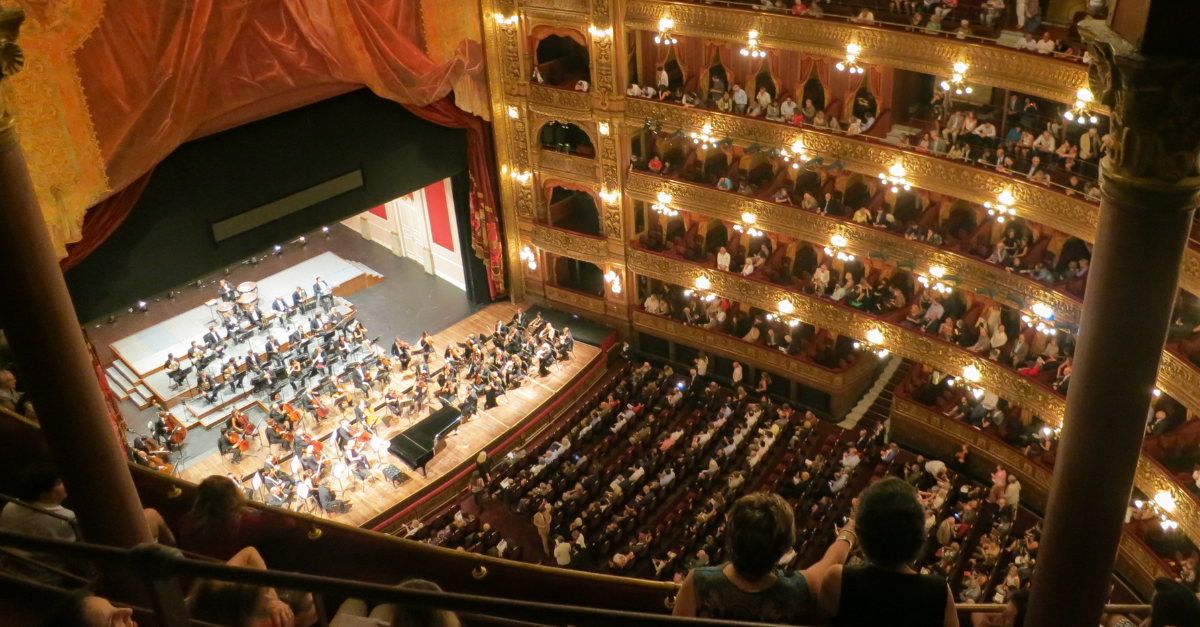
From international orchestra tours to the cross-border trade of vintage guitars, the global exchange of music is vibrant. However, shipping musical instruments requires specific logistical expertise. These items are not only financially valuable but often hold deep sentimental and historical significance. Furthermore, they are fragile, sensitive to environmental fluctuations, and frequently subject to international regulations regarding protected materials.
OCS is experienced in managing the logistics of orchestral instruments, having worked with several renowned orchestras on their overseas exhibitions.
This article provides a brief of the essential considerations for shipping musical instruments safely and compliantly.
Disclaimer: This article was published on January 19, 2026. Please make sure to check the latest updates on regulations and requirements for both importing and exporting countries as you prepare for the shipment.
Understanding the Regulations
CITES and Endangered Materials
For woodwind instruments, particularly older ones, contain protected materials such as Brazilian Rosewood, Ivory, Tortoiseshell, or Pernambuco wood (commonly used in violin bows), One of the most important aspects of shipping musical instruments overseas is compliance with the Convention on International Trade in Endangered Species of Wild Fauna and Flora (CITES).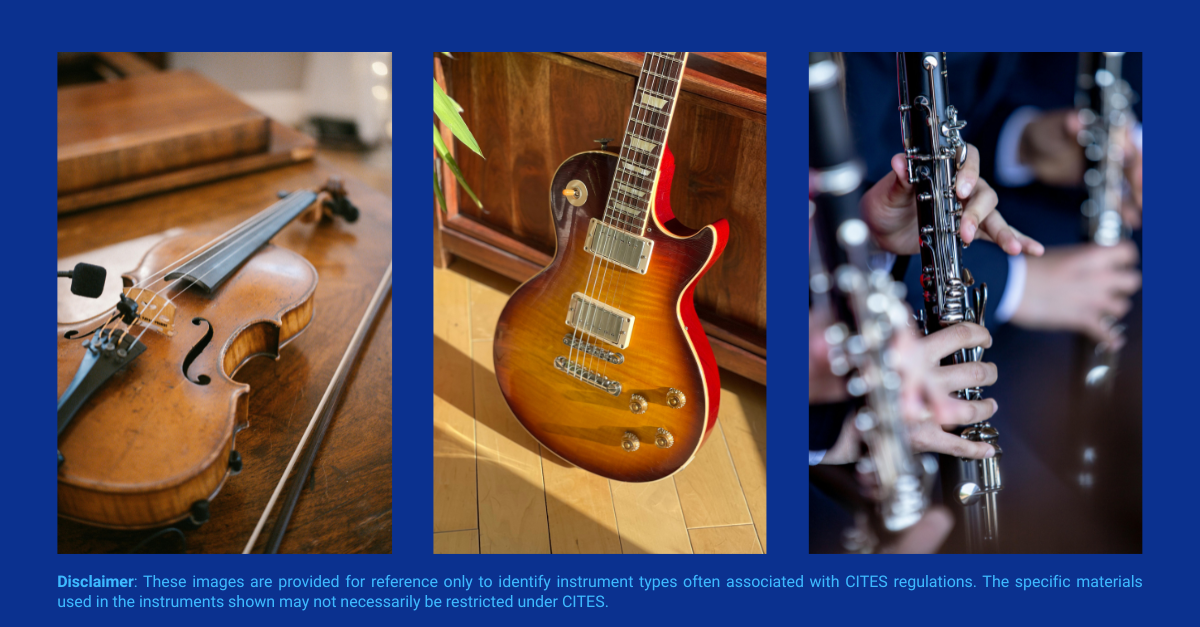
For touring musicians or orchestras traveling frequently with instruments containing CITES-listed materials, a "Musical Instrument Certificate" may be required to facilitate border crossings.
Reference sources:
- Press Release
"CITES CoP18 Moves Towards Strengthened Regulations for Tropical Trees as well as Cautious Exemptions for Rosewood Musical Instruments." CITES, 29 Aug. 2019, https://cites.org/eng/CITES_CoP18_moves_towards_strengthened_regulations_for_tropical_trees_as_well_as_cautions_exemptions_for_rosewood_musical%20_nstruments_29082019.
- PDF Report
Information Document 13 (SC74 Inf. 13). CITES, 2022, https://cites.org/sites/default/files/eng/com/sc/74/Inf/E-SC74-Inf-13.pdf.
Packaging Recommendations
- Hard-Shell Cases: Instruments should always be shipped inside a high-quality, custom-fitted hard-shell case or flight case.
- Internal Immobilization and Support: To prevent movement inside the instrument case, ensure the instrument is properly immobilized. Use additional padding, such as bubble wrap or soft cloth, to fill any empty spaces or voids. Special attention should be given to padding and supporting the neck and headstock of stringed instruments.
- String Tension: For guitars, violins, cellos, and similar instruments, it is highly recommended to slightly loosen the strings before shipping. Changes in temperature and pressure during air freight can cause tension fluctuations that may warp the neck or snap the headstock if strings are left at concert pitch.
Environmental Control
Wooden instruments are hygroscopic. Rapid changes in temperature and humidity during transit can cause cracking or finish to check.
- Climate Control: Utilize temperature-controlled shipping whenever feasible.
- Humidity Management: Use humidity control packs inside the case to maintain a stable environment.
- Acclimatization: We recommend using thermal insulation sheets and temperature indicator labels. In extreme climates, please check the label and allow the package to reach room temperature before opening to prevent thermal shock.
Documentation
Essential Shipping Documents Just like general cargo, shipping musical instruments requires a standard set of documents to ensure smooth customs clearance.
- Commercial Invoice: Clearly stating the value, country of origin, and detailed description of the instrument (e.g., "Acoustic Guitar, 6-string, Maple body").
- Packing List: Detailing the contents of each package, including accessories like bows, stands, or mouthpieces.
- Air Waybill (AWB): The contract of carriage.
Specialized Documentation Depending on the nature of the shipment, you may also need:
- CITES Permits: If the instrument contains regulated materials. (Click for detail)
- ATA Carnet: For temporary admission for professional use.
- Antique Declaration: If the instrument is over 100 years old, it may qualify for duty-free entry in some jurisdictions, requiring proof of age.
ATA Carnets for Temporary Admission (Issued by the International Chamber of Commerce, ICC)
Export For professionals shipping instruments temporarily for a concert tour or exhibition, an ATA Carnet is recommended. Easily referred to as a "passport for goods," the ATA Carnet allows for the duty-free and tax-free temporary export and import of professional equipment. This document simplifies customs clearance and avoids the need to pay import duties, provided the instruments return to the country of origin within a specific timeframe.
Learn more about ATA Carnets and availability in your country: (Click for official website)
Conclusion

Shipping musical instruments is an art form in itself, requiring a harmony of physical protection and regulatory compliance. From navigating CITES restrictions for rare tone-woods to ensuring a cello is packed to withstand air pressure changes, the details matter.
OCS understands the precision required to transport these delicate assets. Whether you are a logistics manager for an orchestra or a dealer of fine vintage instruments, our global network and expertise in handling fragile and valuable cargo ensure your instruments arrive ready to be played.
* Please note that this service may not be available in certain countries or regions. We kindly ask you to contact us in advance to confirm availability.
For more information
■ About IEX Customize: Read more
■ OCS Global Network: Office locations
■ Send Us Inquiry: Click here
Visit OCS Official Global Social Media

Click or scan with camera
.jpg)
.jpg)